-
1-1-40/1/1, Eden Annexe,Hyderabad – 500080




Your Cart (₹0.00)
Fast Fashion vs Smart Fashion: Why Consumers Are Choosing Better Over More
Fast Fashion vs Smart Fashion: Why Consumers Are Choosing Better Over More

For years, fashion was driven by one simple idea – buy more, wear less, and move on to the next trend. New collections arrived every few weeks, social media constantly introduced fresh styles, and shoppers often felt the need to keep updating their wardrobes.
Today, however, a noticeable shift is taking place. More consumers are moving away from fast fashion and embracing a smarter approach to shopping. Instead of filling wardrobes with clothes that are worn only once or twice, people are investing in versatile, high-quality pieces that offer long-term value.
This change is redefining the fashion industry and encouraging a more thoughtful way of dressing.
Understanding Fast Fashion
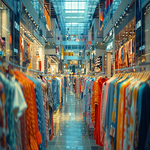
Fast fashion refers to the rapid production of clothing inspired by the latest trends. These collections are designed to reach stores quickly and at affordable prices, allowing consumers to buy fashionable pieces without spending much.
While this model makes trends accessible, it also encourages frequent purchases and short-term use. Many garments are worn only a handful of times before being replaced by newer styles.
As trends change faster than ever, wardrobes often become overcrowded with clothes that no longer feel relevant.
For many shoppers, this cycle has become both expensive and unsatisfying.
What Is Smart Fashion?
Smart fashion is built around a different mindset. Instead of focusing on quantity, it prioritises quality, versatility, and conscious buying decisions.
Consumers who follow this approach choose clothing that:
- Lasts longer
- Can be styled in multiple ways
- Fits their personal lifestyle
- Remains fashionable beyond seasonal trends
The idea is not to buy less for the sake of buying less, but to buy better.
A thoughtfully selected wardrobe often provides more outfit possibilities than one filled with impulse purchases.
Why Consumers Are Changing Their Habits
Several factors are influencing this shift towards smarter fashion choices.
One major reason is growing awareness. People are becoming more conscious of how their shopping habits affect both their finances and the environment.
Consumers also realise that constantly chasing trends rarely leads to a wardrobe they truly enjoy wearing.
Instead, they are looking for pieces that offer flexibility and can transition easily between work, casual outings, travel, and special occasions.
The focus is moving from temporary excitement to lasting value.
Quality Over Quantity
One of the biggest principles of smart fashion is investing in quality.
Well-made clothing often maintains its shape, colour, and appearance for much longer than lower-quality alternatives. While the initial price may be slightly higher, the long-term value is often greater because the item can be worn repeatedly.
A versatile shirt, classic dress, or timeless handbag may become a wardrobe favourite for years, while trend-based purchases often lose their appeal quickly.
Buying fewer high-quality pieces can ultimately be more economical than constantly replacing cheaper alternatives.
Building a More Functional Wardrobe
Smart fashion encourages consumers to think strategically about every purchase.
Before buying, many now ask:
- Can I style this in different ways?
- Will I wear it regularly?
- Does it match clothes I already own?
- Is it suitable for multiple occasions?
These simple questions help create a wardrobe where every piece has a purpose.
Instead of overflowing closets filled with unused clothing, consumers build collections that work together effortlessly.
This makes everyday dressing easier and more enjoyable.
Technology Is Supporting Smarter Shopping
Modern technology is also encouraging better fashion decisions.
AI-powered recommendations, virtual styling tools, and digital wardrobe apps help shoppers understand their existing wardrobes before making new purchases.
Many online platforms now suggest items based on previous purchases and personal preferences, helping customers choose products that fit their style rather than simply following trends.
Technology is making shopping more personalised, reducing impulse buying and encouraging thoughtful choices.
In many ways, digital innovation is supporting the rise of smart fashion.
Sustainability Plays an Important Role
The movement towards smart fashion is also closely linked to sustainability.
When consumers buy clothes they genuinely love and wear repeatedly, waste naturally decreases. Fewer unnecessary purchases mean fewer unused garments sitting in wardrobes or ending up discarded.
Choosing timeless styles over short-lived trends helps extend the life of clothing while reducing the need for constant replacements.
Fashion becomes more responsible without sacrificing style or individuality.
Personal Style Is Becoming More Important Than Trends
Perhaps the biggest reason behind the rise of smart fashion is the growing appreciation for personal style.
Rather than copying every viral trend on social media, people are focusing on what truly suits their personality, comfort, and lifestyle.
Confidence comes from wearing clothes that feel authentic, not simply fashionable for a season.
As a result, timeless dressing is becoming more valuable than trend chasing.
Final Thoughts
The shift from fast fashion to smart fashion reflects a broader change in consumer thinking. Today’s shoppers are looking beyond temporary trends and choosing wardrobes built on quality, versatility, and long-term value.
By investing in pieces that can be worn in multiple ways and enjoyed for years, consumers create a style that is both practical and personal. Combined with technology, mindful shopping habits, and a focus on sustainability, smart fashion is shaping the future of the industry.
Because true style is not measured by how many clothes you own – it is defined by how confidently and thoughtfully you wear the ones that truly belong in your wardrobe.