Fashion today moves faster than ever. Trends change every few weeks, social media drives new styles daily, and shopping has become more instant than ever before. In this fast-moving world, two clear approaches to fashion have emerged—fast fashion and smart fashion. While fast fashion focuses on quick, trend-based buying, smart fashion emphasizes thoughtful, long-lasting choices. Understanding the difference helps you build a wardrobe that is stylish, practical, and budget-friendly.
What is Fast Fashion?
Fast fashion refers to clothing that is produced quickly and cheaply to match the latest trends. These clothes are widely available, affordable, and designed to catch attention instantly.
You will usually find fast fashion in:
Trend-based women’s wear collections
Seasonal jeans, tops, and skirts
Fashionable kids wear that changes frequently
Low-cost accessories and bags
Advantages of Fast Fashion
Affordable and accessible
Offers latest trends quickly
Large variety of styles
Easy to experiment with new looks
Disadvantages of Fast Fashion
Lower fabric quality
Short lifespan of clothing
Frequent wardrobe replacements needed
Not always comfortable for daily long-term use
Fast fashion is good for short-term styling or occasional use, but not ideal for building a stable wardrobe.
What is Smart Fashion?
Smart fashion is about choosing quality, versatility, and long-term usability over quick trends. It focuses on building a wardrobe that works across occasions and lasts longer.
Smart fashion includes:
High-quality women’s wear like well-stitched kurthis and tops
Comfortable jeans and skirts that last multiple seasons
Durable footwear designed for everyday use
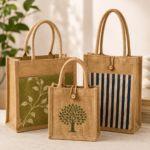
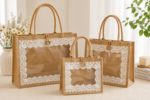
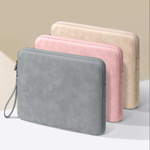
Functional bags like jute bags and laptop bags
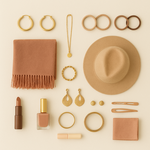
Simple, elegant jewellery and accessories
Advantages of Smart Fashion
Long-lasting clothing and accessories
Better fabric quality and comfort
Timeless styles that don’t go out of trend quickly
Saves money in the long run
Easier to mix and match outfits
Disadvantages of Smart Fashion
Slightly higher initial cost
Fewer “trendy” experimental designs
Requires thoughtful selection
Fast Fashion vs Smart Fashion: Key Differences
Fast fashion and smart fashion differ mainly in purpose, quality, and long-term value.
Fast fashion is usually low in price and designed for quick trends, making it ideal for occasional styling. However, the quality is often average, which means the outfits may not last for many washes or long-term use. It is mostly focused on trend-based designs that change frequently with seasons and social media influence. These pieces are usually worn for short-term occasions or experimental looks.
On the other hand, smart fashion is built around quality, comfort, and long-lasting value. The pricing may be slightly higher, but the fabric and stitching are significantly better. Smart fashion focuses on timeless designs that remain stylish across multiple seasons, making them more versatile for everyday and repeated use. These outfits are suitable for daily wear, office use, and long-term wardrobe building.
In simple terms, fast fashion works for quick style moments, while smart fashion is better for sustainable, repeatable, and practical dressing choices.
What Should You Really Buy?
The smartest approach is not choosing one over the other—but balancing both.
When to Choose Fast Fashion
When to Choose Smart Fashion
Daily wear like jeans, skirts, and tops
Office or formal wear
Bags like laptop bags and jute bags
Footwear used regularly
Essential accessories and jewellery
A smart wardrobe is built by investing in quality basics and adding trendy pieces occasionally.
Smart Fashion Wardrobe Essentials
To build a balanced wardrobe, focus on:
Comfortable women’s wear (kurthis, tops, jeans, skirts)
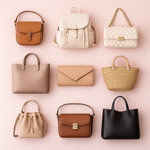
Multi-use bags (tote, jute, laptop bags)
Durable footwear for daily use
Minimal jewellery for all outfits
Kids wear that is both stylish and long-lasting
Night suits and loungewear for comfort
These essentials ensure you are always prepared—whether it’s work, travel, or casual outings.
The Modern Shopping Mindset
Today’s fashion is not just about looking good—it’s about making intelligent choices. Smart shoppers think about:
Can this outfit be worn more than 5 times?
Does it match multiple other items?
Is it comfortable for long hours?
Will it stay in trend beyond one season?
This mindset helps reduce wasteful spending and builds a more meaningful wardrobe.
Conclusion
Fast fashion gives you quick style, but smart fashion gives you long-term value. The best approach is to combine both wisely—use fast fashion for experimenting with trends and smart fashion for building your core wardrobe.
At the end of the day, true style is not about how many clothes you own, but how well you use them. With thoughtful choices in women’s wear, kids wear, footwear, bags, and accessories, you can create a wardrobe that is both fashionable and practical.
Smart fashion is not about buying more—it’s about buying better.